- PRODUZENTEN BONNAIRE BRUYEN Paul CLOUET Roger COULON EGLY-OURIET JACQUESSON Pierre GIMONNET & Fils Maurice GRUMIER Olivier HORIOT La BORDERIE LAHERTE Frères LARMANDIER-BERNIER LEGRAS & HAAS Didier LANGRY Eric RODEZ TARLANT
- GROSSFORMATE
- NON-VINTAGE (NV/MV)
- JAHRGANG 2011 2012 2013 2014 2015 2016 2017 2018 2019 2020 2021 2022 2023
- BLANC DE BLANCS
- BLANC DE NOIRS
- ROSE Rosé d'Assemblage Rosé de Saignée
- Rare Traubensorten
- ZERO Dosage
- RATAFIA
- Champagner Anlässe
- GESCHENKSETS
- DISCOVERY COLLECTION
- % Ausverkauf
RARE TRAUBENSORTEN
In der Champagne werden in der Regel die 3 bekannten Traubensorten Chardonnay, Pinot Noir und Pinot Meunier verwendet. Zu den seltenen und fast vergessenen alten Traubensorten gehören Pinot Gris (Fromenteau), Petit Meslier, Arbanne und Pinot Blanc, die weniger als 1% der gesamten Produktion aller Champagner ausmachen. Sie gelten als lebendiges Kulturerbe der Region und erleben bei einigen qualitätsorientierten Winzern eine kleine Renaissance.
Das Besondere an ihnen ist, dass sie Aromen und Strukturen in den Champagner bringen, die mit den drei Hauptrebsorten – Chardonnay, Pinot Noir und Pinot Meunier – kaum zu erreichen sind.
Pinot Gris (Fromenteau)
- Historisch eine der wichtigsten Rebsorten der Champagne.
- Nicht identisch mit dem elsässischen Pinot Gris, sondern eine alte Spielart des Burgunderstamms.
- Liefert kraftvolle, würzige Weine mit Aromen von reifen gelben Früchten, Honig, Gewürzen und manchmal rauchigen Noten.
- Verleiht Cuvées mehr Körper und Tiefe.
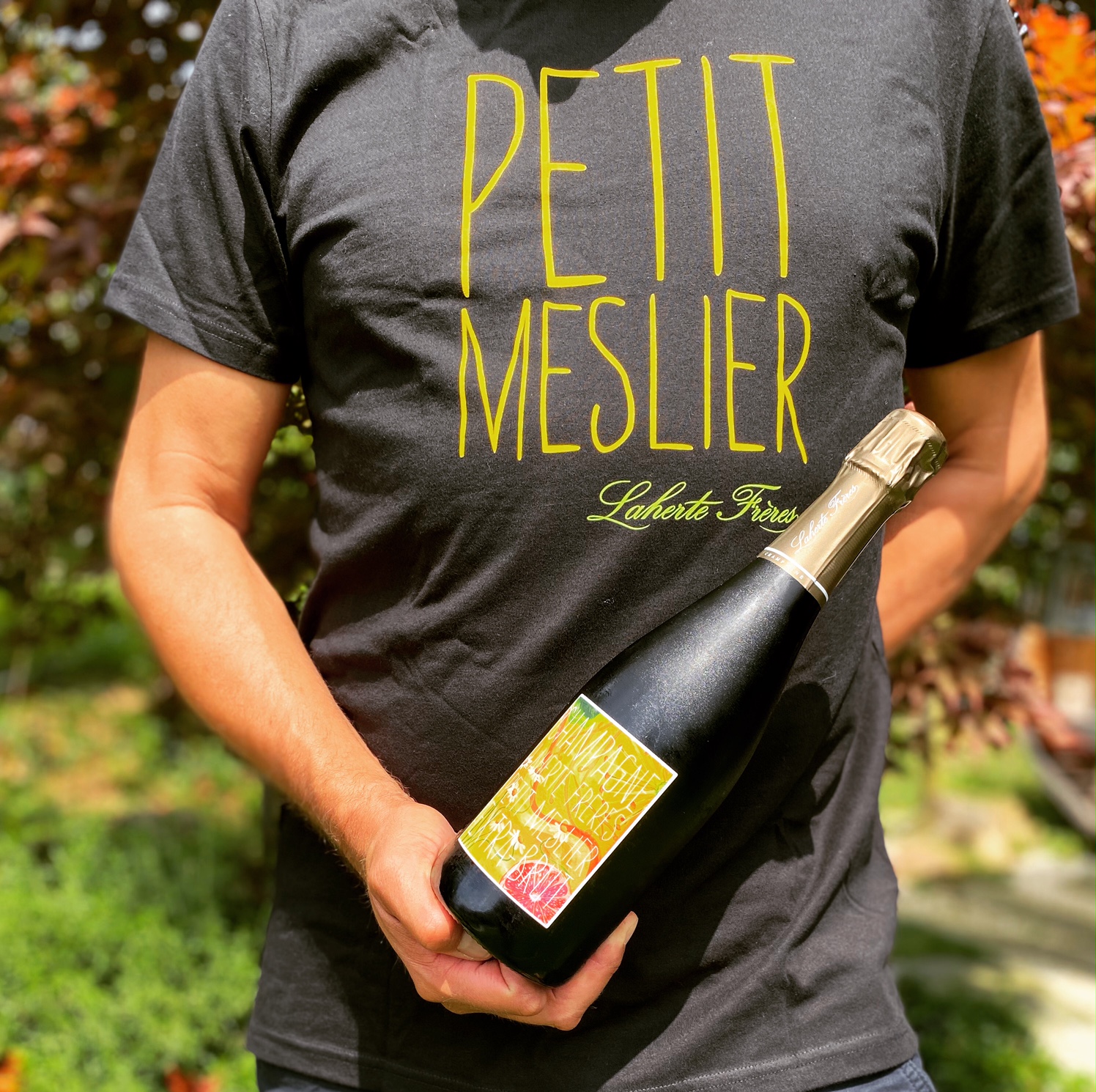
Petit Meslier
- Eine sehr alte, säurebetonte Weissweinsorte.
- Besonders interessant in Zeiten des Klimawandels, da sie ihre Säure auch in warmen Jahren hervorragend bewahrt.
- Typische Aromen sind grüne Äpfel, Zitrusfrüchte, Limette sowie florale und kräuterwürzige Nuancen.
- Sorgt für aussergewöhnliche Frische, Spannung und Langlebigkeit.
Arbanne
- Eine der seltensten Rebsorten Frankreichs.
- Sehr anspruchsvoll im Weinberg, geringe Erträge und empfindlich gegenüber Krankheiten.
- Ergibt feine, elegante Weine mit Aromen von weißen Blüten, Lindenblüten, Birne, Kamille und manchmal exotischen Früchten.
- Bringt Finesse, Eleganz und aromatische Komplexität.
Pinot Blanc
- Früher deutlich häufiger in der Champagne verbreitet.
- Liefert weiche, harmonische Weine mit moderater Säure.
- Typische Noten sind Apfel, Birne, weisse Blüten und Mandeln.
- Verleiht Cuvées Cremigkeit und eine zugängliche Fruchtigkeit.
Das Potenzial der raren Traubensorten:
- Erhalt des historischen Erbes der Champagne.
- Mehr Biodiversität im Weinberg.
- Grössere aromatische Vielfalt und Individualität.
- Anpassung an den Klimawandel, insbesondere durch die hohe natürliche Säure von Petit Meslier.
- Möglichkeit, einzigartige Einzellagen- oder Prestige-Cuvées zu erzeugen, die sich deutlich von klassischen Champagnern unterscheiden.
Champagner mit alten Rebsorten wirken häufig:
- komplexer und vielschichtiger,
- aromatisch ungewöhnlich,
- frischer und spannungsreicher,
- oft hervorragend lagerfähig.
Meist werden sie nicht sortenrein ausgebaut, sondern in kleinen Anteilen einer Cuvée beigefügt. Schon 5–20 % können den Charakter eines Champagners deutlich verändern.
Bekannte Produzenten, die mit diesen historischen Rebsorten arbeiten, sind unter anderem Champagne LAHERTE Frères, Champagne TARLANT, Champagne DRAPPIER sowie Champagne Olivier HORIOT. Besonders LAHERTE gilt als einer der Pioniere bei der Wiederbelebung der historischen Rebsorten und verwendet alle sieben in der Champagne zugelassenen Rebsorten in seinen Cuvées.
Gerade für Liebhaber von Winzerchampagner sind diese seltenen Rebsorten besonders spannend, weil sie den ursprünglichen Charakter der Champagne widerspiegeln und Weine hervorbringen, die sich bewusst von den heute dominierenden klassischen Cuvées abheben.